
Methylene Blue FAQ: Common Questions Answered

Methylene blue has gone from a lab dye to one of the most talked about compounds in the wellness world. With that attention comes a long list of questions, and a lot of confusing answers online. This FAQ collects the questions we hear most often and answers them plainly, so you can make an informed choice.
If you want the full overview of what methylene blue is and how people use it, start with our Methylene Blue guide. This page goes deeper into the practical and safety questions that the guide only touches on.
This page is for education only and is not medical advice. Methylene blue is a real compound with real interactions, so talk with your healthcare provider before you use it, especially if you take any prescription medication.
What is methylene blue, in one sentence?
Methylene blue is a synthetic blue compound first made in 1876 as a textile dye. It became one of the first synthetic drugs used in medicine and is still an approved prescription medicine today. In the wellness world, people take small amounts because of research interest in how it interacts with mitochondria.
Where did methylene blue come from?
German chemist Heinrich Caro first made methylene blue at BASF in 1876 to dye cloth. In 1891, Paul Guttmann and Paul Ehrlich gave it to patients with malaria, one of the first times a man made chemical was used as medicine. It has been used in hospitals and labs ever since.
Today methylene blue is approved by the FDA as a prescription medicine for methemoglobinemia, a blood condition that limits how much oxygen red blood cells can carry. Surgeons also use it as a dye. Those medical uses are given by professionals in controlled doses, and they are different from the small amounts sold as supplements.
Why is methylene blue getting so much attention in wellness?
Most of the interest comes from research on mitochondria, the parts of our cells that make energy. Methylene blue can accept and pass along electrons, so scientists are studying how it may support cellular energy, memory and healthy aging. Much of this research is early, and larger human studies are still needed.
Jonah Bolt has spoken about methylene blue for years and hosted webinars on it, now on his Rumble channel. In his view, it is one of the most important tools for anyone focused on mitochondrial health and longevity. That is his personal opinion, shared to explain why it sits at the center of the Quantum Alchemy line.
What is the difference between pharmaceutical grade and industrial methylene blue?
Pharmaceutical grade methylene blue, often labeled USP, meets strict purity standards for human use. Industrial, lab or aquarium grade methylene blue is made for other jobs and can contain impurities such as heavy metals. If a product does not clearly state its grade and offer testing, it is not made for people.
Ask any brand which grade it uses, where it is made, and whether it can share a certificate of analysis. Our guide to organic vs conventional hemp walks through how to read a lab report, and the same questions apply here.
Who should not take methylene blue?
People who take antidepressants or other serotonin affecting medications, people with G6PD deficiency, and people who are pregnant or breastfeeding should not take methylene blue without medical supervision. Anyone with kidney disease, scheduled surgery or a chronic health condition should also talk with a healthcare provider first.
Can methylene blue interact with medications?
Yes, and this is the most important safety point. Methylene blue acts as an MAO inhibitor, so combining it with SSRIs, SNRIs, MAOIs and some other medications can raise serotonin to dangerous levels. The FDA issued a safety warning about this in 2011. Always review your medications with a provider first.
Signs of too much serotonin can include confusion, agitation, a racing heart, heavy sweating, muscle twitching and high fever. If these appear after taking methylene blue, seek emergency care right away.
Why does methylene blue turn urine blue or green?
Your body clears methylene blue mainly through the kidneys, and the dye keeps its color on the way out. Blue or green urine is expected and harmless, and it usually fades within a day or two after you stop. It can also tint the tongue, teeth and mouth for a short time.
Can methylene blue affect a pulse oximeter reading?
Yes. Because methylene blue is a strong blue dye in the blood, it can make a fingertip pulse oximeter show a falsely low oxygen reading for a while after you take it. If you track oxygen at home or have a medical procedure coming up, tell your provider that you use it.
Does red light pair with methylene blue?
Methylene blue absorbs red light strongly, close to the wavelengths many red light panels use. That is why some people pair the two, and why researchers study light activated uses of the dye. Human research on combining them at home is limited, so approach it as an experiment and keep sessions moderate.
Our longevity spa primer explains how red light therapy, hyperbaric oxygen and cold plunges work on their own.
How should you store methylene blue?
Keep methylene blue tightly capped in a cool, dark place, away from heat, sunlight and children. Liquid drops stain skin, counters, clothing and grout, so open them over a sink and wipe spills right away. Capsules keep the dye contained and are a cleaner option for travel and busy days.
What makes Quantum Alchemy methylene blue different?
Quantum Alchemy offers methylene blue two ways: a liquid called the Blue Photon Activator and Methylene Blue Max Capsules. The capsules hold 30 mg each, are made on a dual rotary compounder and are paired with acerola cherry vitamin C. Both are among our best selling products.
Shop Methylene Blue (Blue Photon Activator) or Methylene Blue Max Capsules, or browse the full Quantum Alchemy line.
Where can you hear more conversations about natural wellness?
Methylene blue is one modern tool, and our podcast guests bring wisdom that goes back thousands of years. On the Quantum Collective Podcast, Jonah Bolt talks with healers such as Luca of BARAI EcoEscuela and Jamie Day about the body, the spirit and the habits that support both.
For more on daily habits, read Longevity Basics: Daily Habits From the Blue Zones and our guide to grounding and earthing.
Frequently asked questions
Is methylene blue safe to take every day?
Long term daily use in healthy people has not been well studied. Some people take small amounts regularly, while others cycle on and off. Follow the product label, start low, and work with a healthcare provider who knows your medications and health history before making it a daily habit.
What does methylene blue taste like?
Liquid methylene blue has a bitter, slightly metallic taste, which is why many people mix drops into water or juice. Capsules avoid the taste entirely and keep the dye from staining the mouth. Either way, drinking a full glass of water with it is a common habit.
Can you take methylene blue with other supplements?
Many people do, but check each one. Supplements that raise serotonin, such as St. John's wort, 5-HTP and tryptophan, deserve the same caution as prescription antidepressants. Bring your full list of supplements and medications to your provider so they can spot any risky combinations.
Is methylene blue the same as blue spirulina?
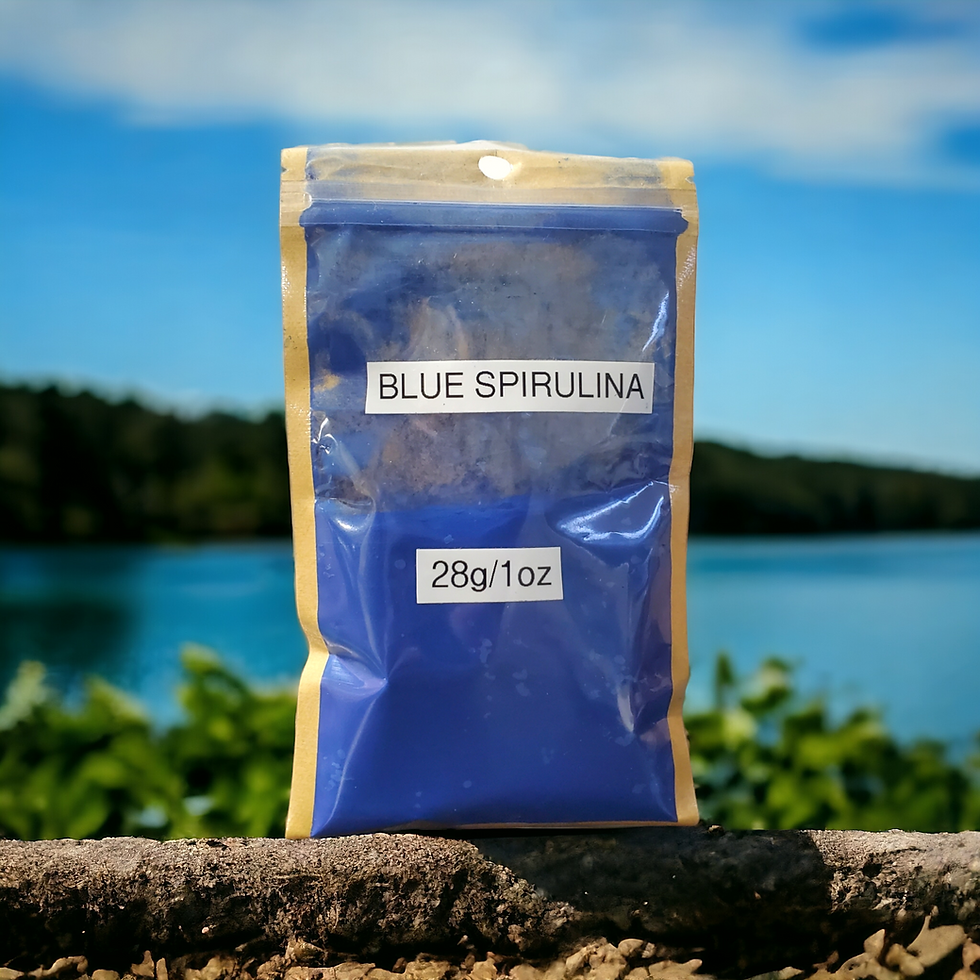
No. Methylene blue is a synthetic compound, while blue spirulina is a natural pigment called phycocyanin taken from spirulina algae. Both are blue, but they are completely different substances with different uses. Learn more in our blue spirulina guide.
Should I stop methylene blue before surgery?
Tell your surgeon and anesthesia team that you use it. Because methylene blue can interact with some anesthesia and pain medications and can affect oxygen readings, many providers ask patients to pause it before a procedure. Follow your care team's instructions on timing.
These statements have not been evaluated by the Food and Drug Administration. Products mentioned are not intended to diagnose, treat, cure, or prevent any disease. This content is for educational purposes only and is not medical advice.


Comments