
Klamath Algae vs Spirulina vs Chlorella: How They Compare

Walk into any health food store and you will find a wall of green and blue powders. Three names come up again and again: Klamath Lake blue green algae, spirulina and chlorella. They are often lumped together as superfood algae, but they come from different places, grow in different ways and bring different strengths.
This guide compares them side by side so you can choose with confidence. For a deeper look at each one, see our Klamath blue green algae guide and our blue spirulina guide.
This page is for education only and is not medical advice. Talk with your healthcare provider before adding any new supplement, especially if you are pregnant, nursing or take medication.
What is the main difference between Klamath algae, spirulina and chlorella?
Klamath algae and spirulina are both blue green algae, technically cyanobacteria, while chlorella is a true green algae with a tough outer cell wall. Klamath algae grows wild in an Oregon lake, spirulina is farmed in warm ponds, and chlorella is usually grown in tanks or ponds and then processed.
What is Klamath blue green algae?
Klamath blue green algae, also called AFA for Aphanizomenon flos-aquae, grows wild in Upper Klamath Lake in southern Oregon. The lake sits near the Cascade Mountains and is fed by mineral rich water from volcanic soils. AFA is harvested in the warm months, then dried at low temperatures to protect its nutrients.
Jonah Bolt calls Klamath Lake algae one of the most powerful blue green algae in the world, and that is why it holds a special place in the Quantum Alchemy line. That is his view from years of working with it. People often describe AFA as the most uplifting of the three, which many link to its natural phenylethylamine, or PEA.
What is spirulina?
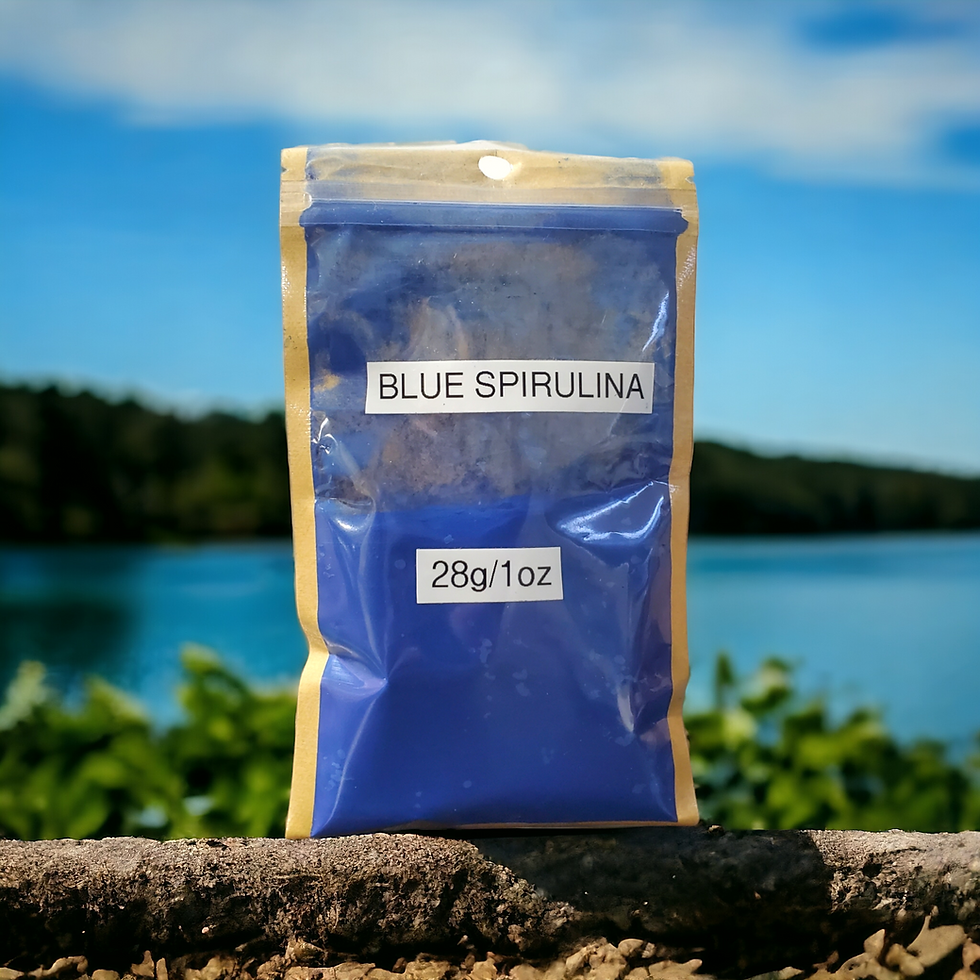
Spirulina is a spiral shaped blue green algae, mainly Arthrospira platensis, grown in warm, alkaline freshwater ponds around the world. It is famous for its protein, often around 60 percent by dry weight, and for phycocyanin, its blue pigment. Blue spirulina is a concentrated extract of that phycocyanin.
What is chlorella?
Chlorella is a single celled green algae with one of the highest chlorophyll levels of any plant. Its hard cell wall is tough for people to digest, so quality chlorella is labeled cracked or broken cell wall. It is popular in cleanse and detox routines and is often paired with spirulina.
How do their nutrients compare?
All three supply protein, chlorophyll, antioxidants, vitamins and trace minerals, but the balance differs. Spirulina leads on protein and phycocyanin, chlorella leads on chlorophyll, and Klamath algae offers a broad wild spectrum of nutrients plus PEA. Vitamin B12 claims vary, since much of the B12 in spirulina is an inactive form.
Klamath AFA: wild harvested blue green algae, mild earthy taste, known for PEA and phycocyanin.
Spirulina: pond farmed blue green algae, very high in protein, strong ocean taste, rich in phycocyanin.
Chlorella: true green algae, very high in chlorophyll, grassy taste, needs a broken cell wall.
Blue spirulina: a purified phycocyanin extract, nearly tasteless, used for color and antioxidant support.
Which algae tastes the best?
Blue spirulina is the easiest, with almost no taste, which is why it shows up in smoothie bowls and lattes. Klamath algae is mild and earthy. Green spirulina has a strong, ocean like flavor, and chlorella tastes grassy. Capsules, smoothies and citrus juice are the most common ways people hide stronger flavors.
Why does testing matter so much for algae?
Algae absorb what is in their water, and some wild blue green algae species can produce toxins called microcystins. Oregon set a safety limit for microcystins in blue green algae products, and good brands test every batch for them and for heavy metals. Always ask about testing before you buy any algae.
Who should be careful with algae supplements?
People with autoimmune conditions, people on blood thinners such as warfarin, people with PKU, and anyone who is pregnant or nursing should talk with a healthcare provider first. Algae can stimulate the immune system, chlorella contains vitamin K, and spirulina contains phenylalanine, which matters for people with PKU.
How do you choose between Klamath algae, spirulina and chlorella?
Choose based on your goal. Many people reach for Klamath algae for focus and mood, spirulina for plant protein and phycocyanin, and chlorella for chlorophyll and cleansing routines. Plenty of people rotate or combine them. Whatever you pick, look for clear sourcing, batch testing and low temperature drying.
Where do Quantum Alchemy algae products fit?
Quantum Alchemy offers Klamath Lake Blue Green Algae and Blue Spirulina Powder, both chosen for clean sourcing and careful handling. Many people pair algae with sea moss for a wider range of minerals, and our sea moss guide explains how people use it day to day.
Browse the full Quantum Alchemy line to see how these fit with the rest of our products.
Where can you learn more about living close to nature?
Algae is a reminder that some of the most nourishing foods come from clean water and sunlight. On the Quantum Collective Podcast, Jonah Bolt talks with guests like Alejandro Echandia, who sees people as part of nature, and Anthar, a tobacco keeper from the mountains of Colombia.
For more daily habits, read Longevity Basics: Daily Habits From the Blue Zones and our new Methylene Blue FAQ.
Frequently asked questions
Can you take Klamath algae, spirulina and chlorella together?
Yes, many people combine them or rotate them through the week, since each brings a different nutrient focus. Start with a small amount of one at a time so you can see how your body responds, then build up. Check with a provider if you take medications or have a health condition.
Is blue spirulina better than green spirulina?
Neither is better, they are different. Green spirulina is the whole algae with its protein, vitamins and minerals. Blue spirulina is a purified extract of phycocyanin with very little taste. Choose green for whole food nutrition and blue for phycocyanin, color and an easy flavor.
Why is Klamath algae only harvested part of the year?
Klamath algae grows wild, so it follows the seasons. It blooms in Upper Klamath Lake when the water warms in summer and early fall, and harvesters collect it during that window. The algae is then dried and stored so it can be enjoyed the rest of the year.
What does broken cell wall chlorella mean?
Chlorella has a hard outer wall that the human body struggles to break down. Broken or cracked cell wall chlorella has been processed, usually by pressure or milling, to open that wall so the nutrients inside are easier to absorb. It is the form most quality brands sell.
What is the best time of day to take algae?
Many people take algae in the morning or early afternoon, often with breakfast or in a smoothie, because some find it gently energizing. Taking it with food can be easier on the stomach. Follow the label on your product and adjust based on how you feel.
These statements have not been evaluated by the Food and Drug Administration. Products mentioned are not intended to diagnose, treat, cure, or prevent any disease. This content is for educational purposes only and is not medical advice.

Comments